The best home automation system is not a brand. It is a build order. Most smart homes that end up abandoned were assembled in the wrong sequence: devices first, network last. Get the order right and almost any decent platform works. Get it wrong and the most expensive platform on the market will still be unreliable.
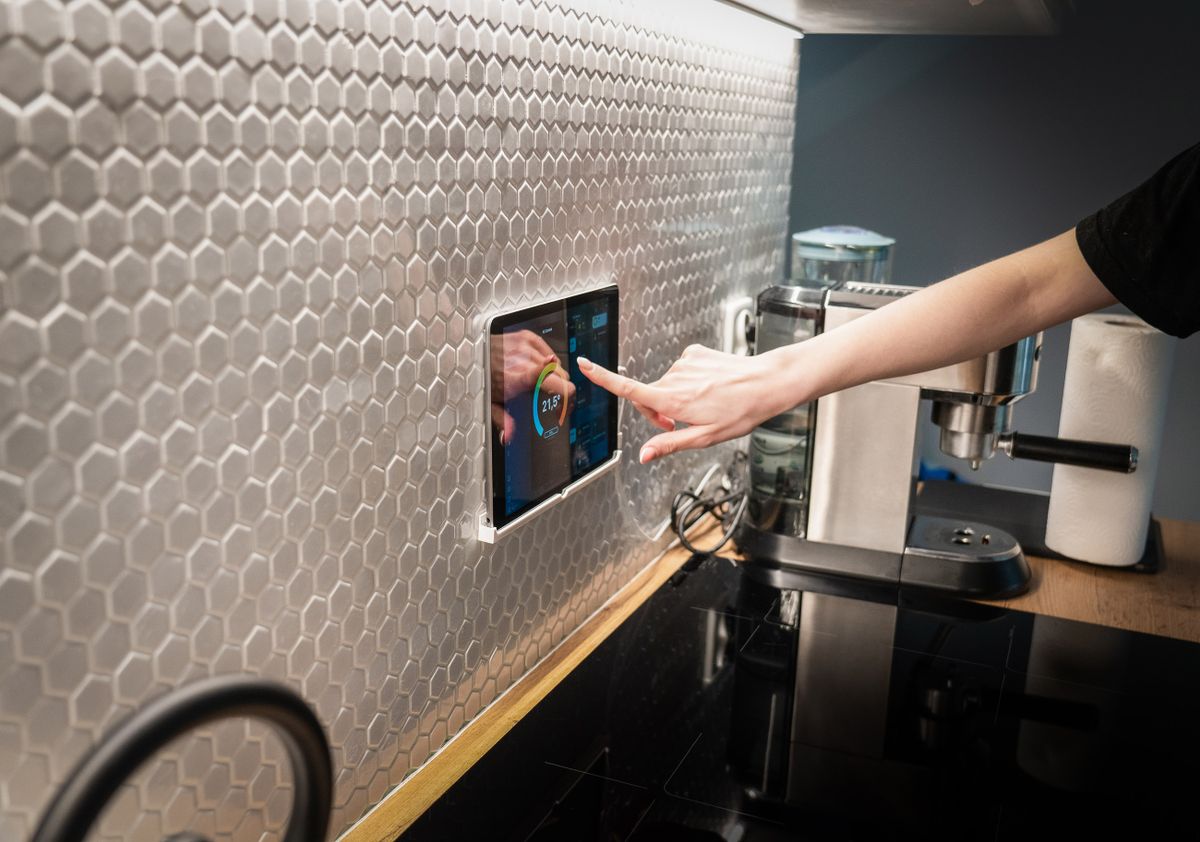
Build in this order
- 1. Network. Wired backbone, ceiling access points, managed switch, VLAN for IoT. Everything else depends on this and nothing else can compensate for it being weak.
- 2. Lighting control. The subsystem the household touches most, and the one that changes daily life the most. Lutron is the reliability standard here.
- 3. Shades. In Florida, thermal management more than luxury. Automating west-facing glass has a measurable comfort and cooling effect.
- 4. Audio. Zone by zone, architectural speakers where the room is fixed.
- 5. Cameras and locks. Integrated into the same app once the network is solid enough to carry them reliably.
- 6. Climate and scenes. Last, because good automation logic depends on knowing how the first five behave.
Platform comparison for Florida conditions
| Platform | Strength | Where it fits |
|---|---|---|
| Lutron (Caséta / RA3 / HomeWorks) | Best-in-class lighting and shade reliability; own RF protocol, not Wi-Fi dependent | Lighting and shade backbone in essentially every project |
| URC | Unified control surfaces: handhelds and keypads that non-app users will actually use | Whole-home control, media rooms, multi-generational households |
| Sonos | Simplest excellent multi-room audio; architectural line for fixed zones | Audio in most homes |
| Control4 / Savant | Deep single-vendor integration across every subsystem | Large estates wanting one vendor for everything |
| Apple Home / Google / Alexa | Free, familiar, good voice layer | A control layer on top of a real system, not the system itself |
What Florida specifically breaks
- Heat. Attic and garage temperatures here regularly exceed the rated operating range of consumer hubs and battery devices. Equipment belongs in a ventilated conditioned closet, not the attic.
- Lightning. South Florida leads the country in strike density. Surge protection on the rack, and on any cable run between buildings, is not optional.
- Humidity and salt. Outdoor terminations that were not sealed properly fail within a season or two near the water. This is a workmanship issue, not a product issue.
- Storm outages. Anything you need during a hurricane has to work without internet. Local control and a UPS on the rack cover this.
- Sun load. Automated shades on west and south glass do more for comfort than any thermostat setting.
The single most common mistake
Buying devices before infrastructure. Forty smart devices on a provider-supplied router in a concrete-block house produces exactly the experience people complain about: things that work most of the time. The fix is unglamorous and it is always the same. Get the network right first and everything above it becomes reliable.
The second most common mistake is buying a system nobody documented. If you cannot find the credentials, the port map or the as-built drawing, the next technician has to reverse-engineer your house at your expense. Insist on documentation at handover regardless of who does the work.
Not sure what you already have?
A technology assessment documents your current network, devices and wiring and gives you a written, phased plan. That plan includes the honest version of what is worth keeping.
Get a Free Quote